Skip to content
Poster for Graduate Student Recruitment in the Department of Mechanical Engineering
  • About
  • Undergraduate
  • Graduate
  • Research
  • News & Notices
  • Alumni
About
  • About
  • Faculty
  • Staff
  • Directions
  • Admissions
  • Career Paths
Undergraduate
  • Educational Goals
  • Graduation Requirements
  • Degree Checker
  • Course Registration Helper
  • Courses
  • Curriculum Map
  • Student Clubs
  • Scholarships
Graduate
  • Graduation Requirements
  • Thesis Defense
  • Courses
  • Lab Introductions & Videos
  • BK21 FOUR
Research
  • Vision & Capacity
  • Laboratories
  • Social Challenge Board
News & Notices
  • Notices
  • News
  • Events
  • Seminars
  • Career Info
  • Resources
  • Faculty Recruitment
  • Calendar
Alumni
  • Alumni Association
  • News & Network
Admissions
  • About
  • Undergraduate
  • Graduate
  • Research
  • News & Notices
  • Alumni

School of Mechanical Engineering, Yonsei University

YONSEI UNIVERSITY

© 2026 School of Mechanical Engineering, Yonsei University. All rights reserved.

Privacy Policy|Legal Notice|Site Map

[03722] Dept. of Mechanical Engineering, College of Engineering, Yonsei University, 50 Yonsei-ro, Seodaemun-gu, Seoul, Korea · Graduate: 02-2123-2810 / Undergraduate: 02-2123-4426 / BK21: 02-2123-7817, 02-2123-7815

  1. Home›
  2. News & Notices›
  3. News

News

NoticesNewsEventsSeminarsCareer InfoResourcesFaculty RecruitmentCalendar

News

Development of In-situ Air Samplers for Real-time Airborne Virus and Bacteria Monitoring

Date
Jun 8, 2020
Category
Achievement

Development of In-situ Air Samplers for Real-time Airborne Virus and Bacteria Monitoring
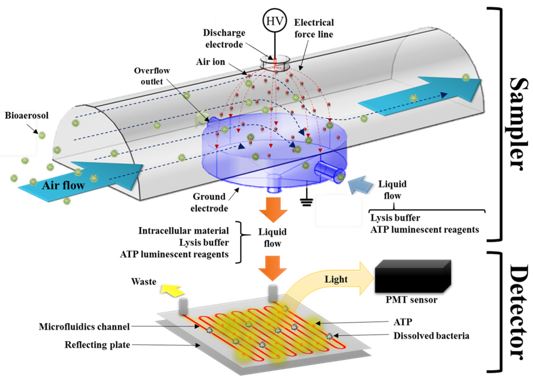
A Yonsei research team, led by Professor Jungho Hwang in the school of Mechanical Engineering has been developing various techniques for real-time sampling of airborne pathogenic bioaerosols such as bacteria and virus. The air samplers are designed for an efficient collection of bioaerosols in either hydrosols or non-hydrosol-based platforms. The air samplers are integrated with various detection systems to provide rapid and accurate detection. The intracellular substance of bacteria collected by the air samplers reacts with a luminescent reagent to emit light, and the intensity of this light is proportional to the number of bacteria.
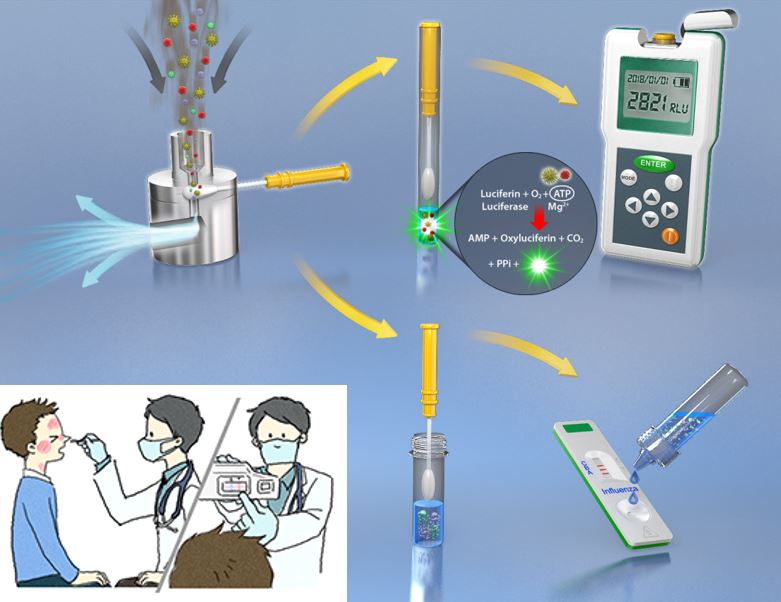
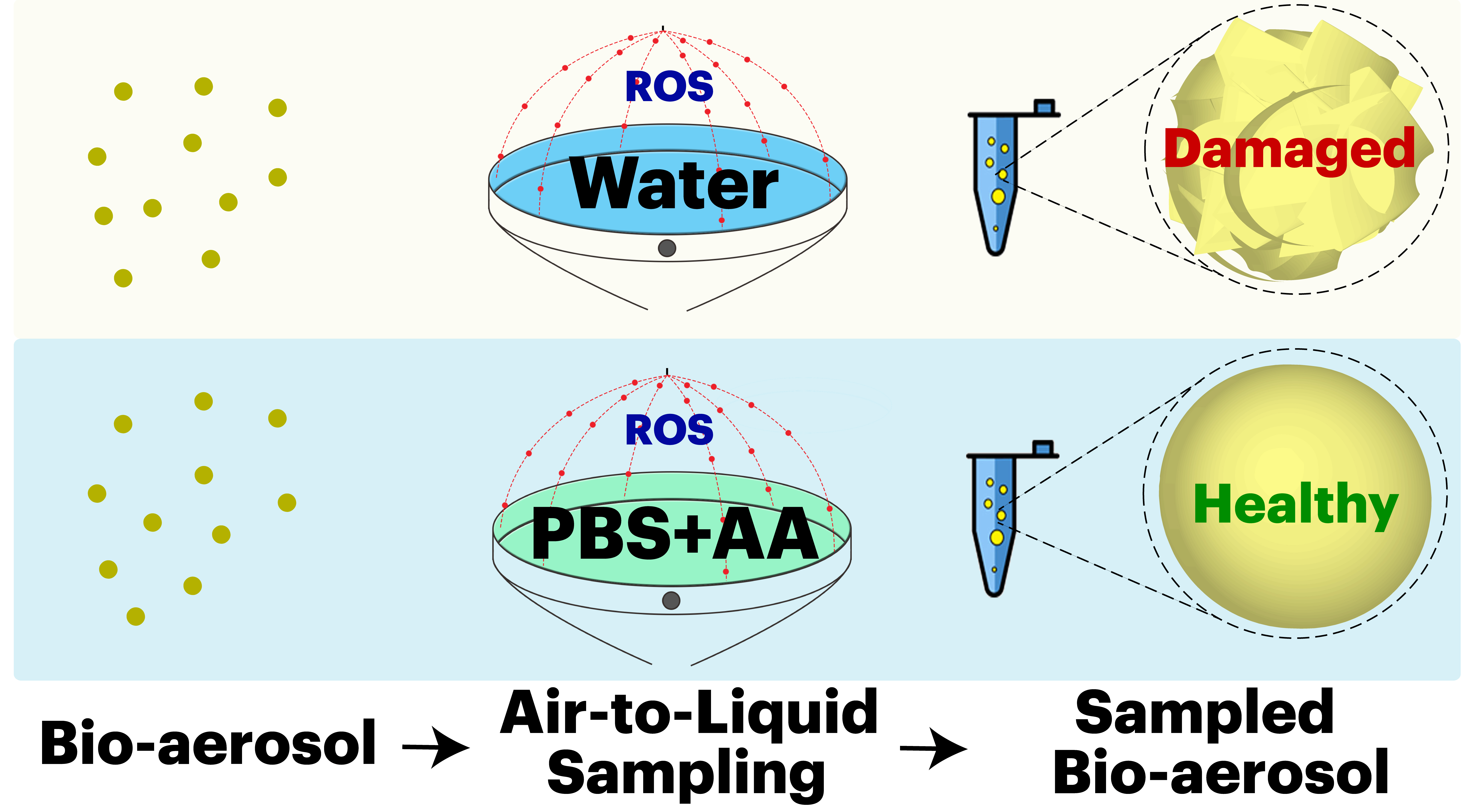
The air samplers can also collect airborne viruses that are assayed using a commercial in-vitro diagnostic kit. The team has also elucidated an efficient technique for reducing the bioaerosols damage during aerosol-to-hydrosol sampling process. The results of these studies have been published in J. Hazardous Materials and Analytica Chimica Acta. According to Professor Hwang, “Bioaerosol sampling is crucial for environmental monitoring of hazardous airborne pathogens, which can contribute greatly to global health concerns and possibly prevent future pandemics.”

←Back to list
PreviousNone
NextHigh-resolution Acoustophoretic Engineering

News & Notices

  • Notices→
  • News→
  • Events→
  • Seminars→
  • Career Info→
  • Resources→
  • Faculty Recruitment→
  • Calendar→